The ranch pane and the new wall are different jobs
On the older houses the glass is smaller, the frames are tired, and the screens have been in since somebody stopped thinking about them. Tracks hold decomposed granite from the yard and a dark line from years of mist. The first visit is mostly that: get the hardware out, rinse the mesh, wipe the sill, and stop treating a yellowed screen like it is still clear. If the spline is gone or the mesh tears when I flex it, I leave it out and show you. Bug screen repair is a separate visit. I will not rinse a hole and call it done.
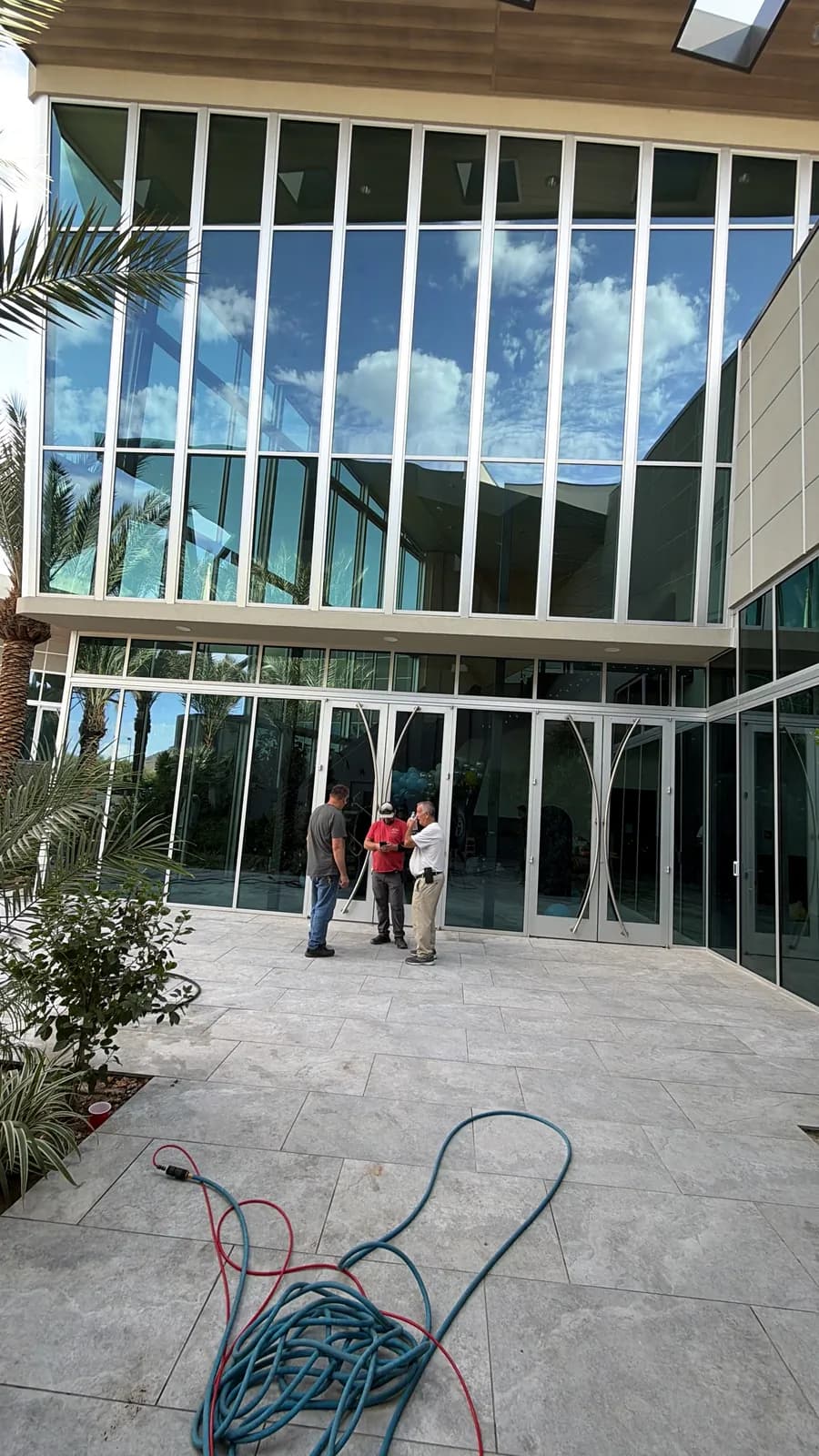
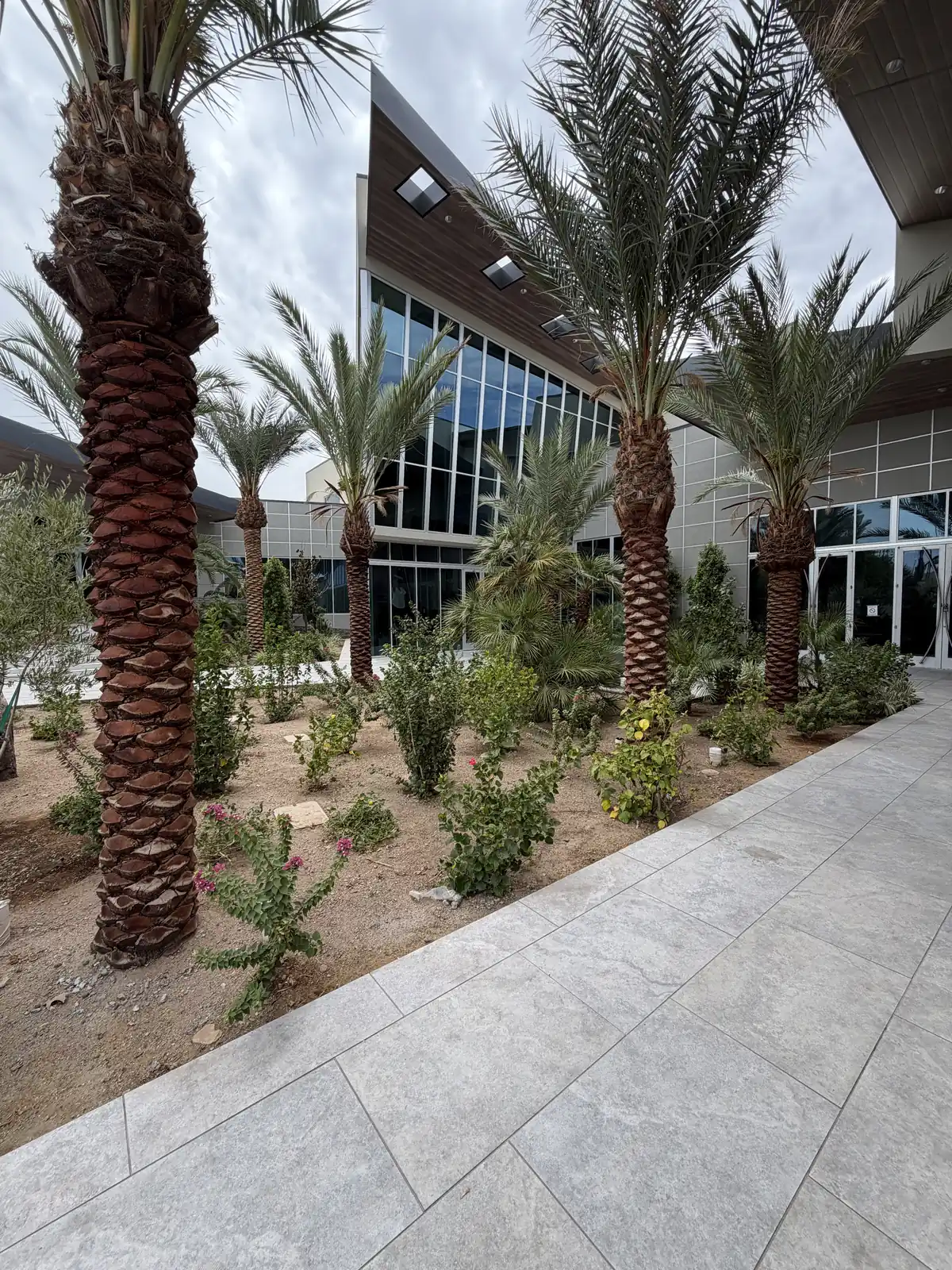
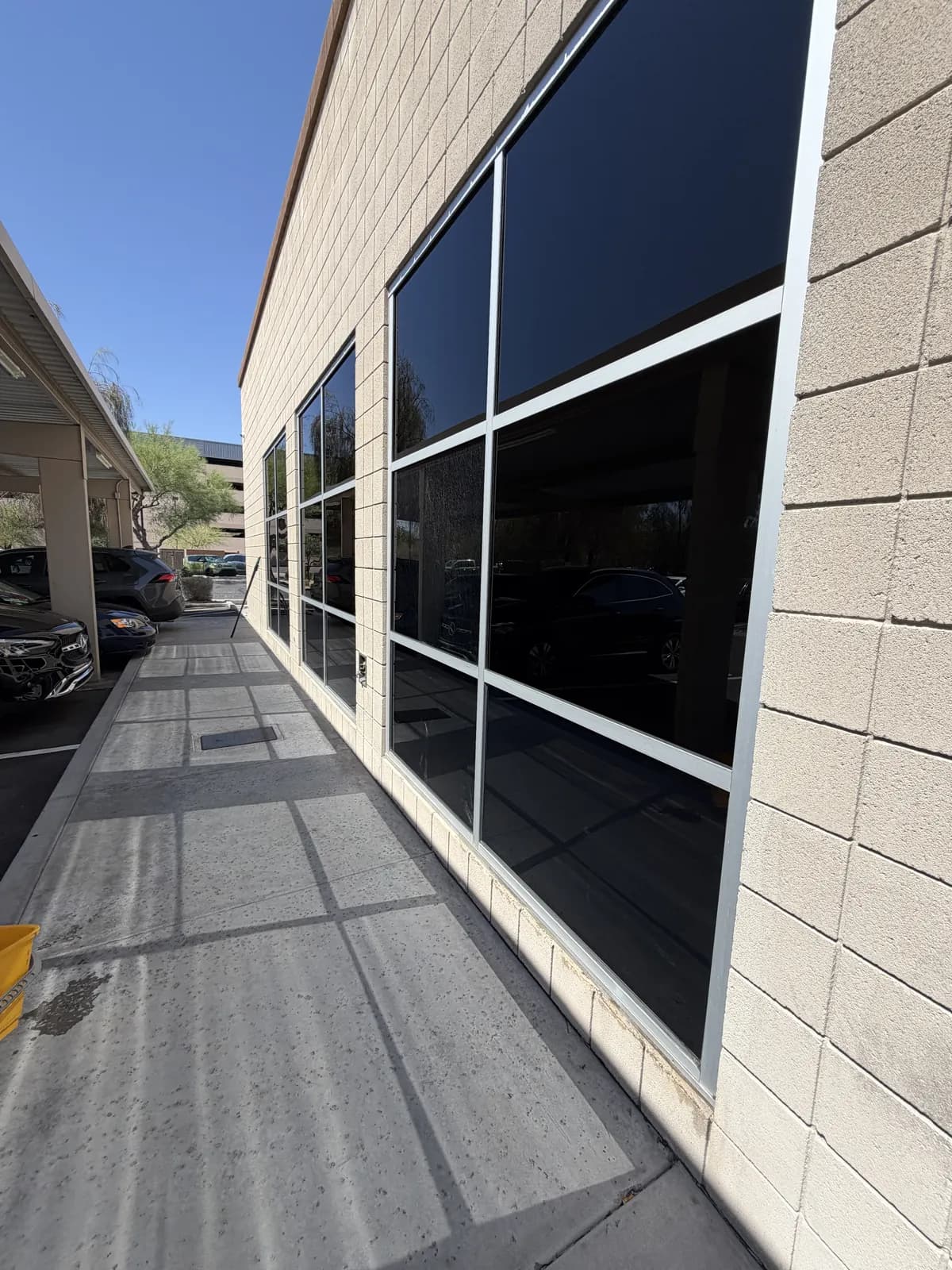
The new houses fail in the opposite direction. Floor-to-ceiling glass, often dark metal, often no muntin to hide a streak. A water spot in the middle of a Camelback view reads from the sidewalk. Those panes also show every drip that dried on the frame. I detail the bottom edge of the metal, where irrigation and hose water sit, and I cut the glass clean to the gasket. Purified water on a pole reaches the high fixed lites when I have a flat place to stand. A ladder in a planter, or over a drop into a side yard, is a no.
People aim me with Echo Canyon Trailhead, La Grande Orange on 40th Street, or the Global Ambassador on 44th. Those are pins. They tell me whether you are up against the mountain, on the 40th Street grid, or in the middle of the citrus blocks. Zip 85018 covers most of this. 85016 shows up toward Ingleside and the Biltmore side. 85251 is the edge where Arcadia starts to feel like south Scottsdale. Any of the three is a normal drive.
Citrus water, canal dust, and the low window
The signature Arcadia stain is low. A rotor or a bubbler in the citrus throws onto the bottom third of a pane, the sun is on it by mid-morning, and by July the glass looks etched even when the mineral is still sitting on the surface. Orange trees and grapefruit add sap and a fine sticky dust that traffic film then sticks to. If the yard is still producing, tell me. I will treat that glass differently from a pane that only has dry dust on it.
The Arizona Canal path is the other local dirt. Bike traffic, open gravel, and a long west or south wall of glass pick up a haze that is finer than foothill grit and stickier than a clean desert blow. Houses with a back to the path see it on the patio sliders first. It smears if you wipe it dry. I wash it. I also pull the grit out of the track, because that is what makes the door grind.
Camelback Road and Indian School add a third film: traffic. It is darker, and it sits on the street-facing transoms and on any glass that faces the intersection rather than the mountain. A house can have canal dust on the back, citrus dots on the side, and traffic film on the front. I look at each elevation instead of using one chemical story for the whole place. Hard-water mineral that releases, comes off during the clean. Mineral that has burned into the glass does not. I will tell you which panes are etched. I will not polish a dead lite for show.
What is included, and what is a different tool
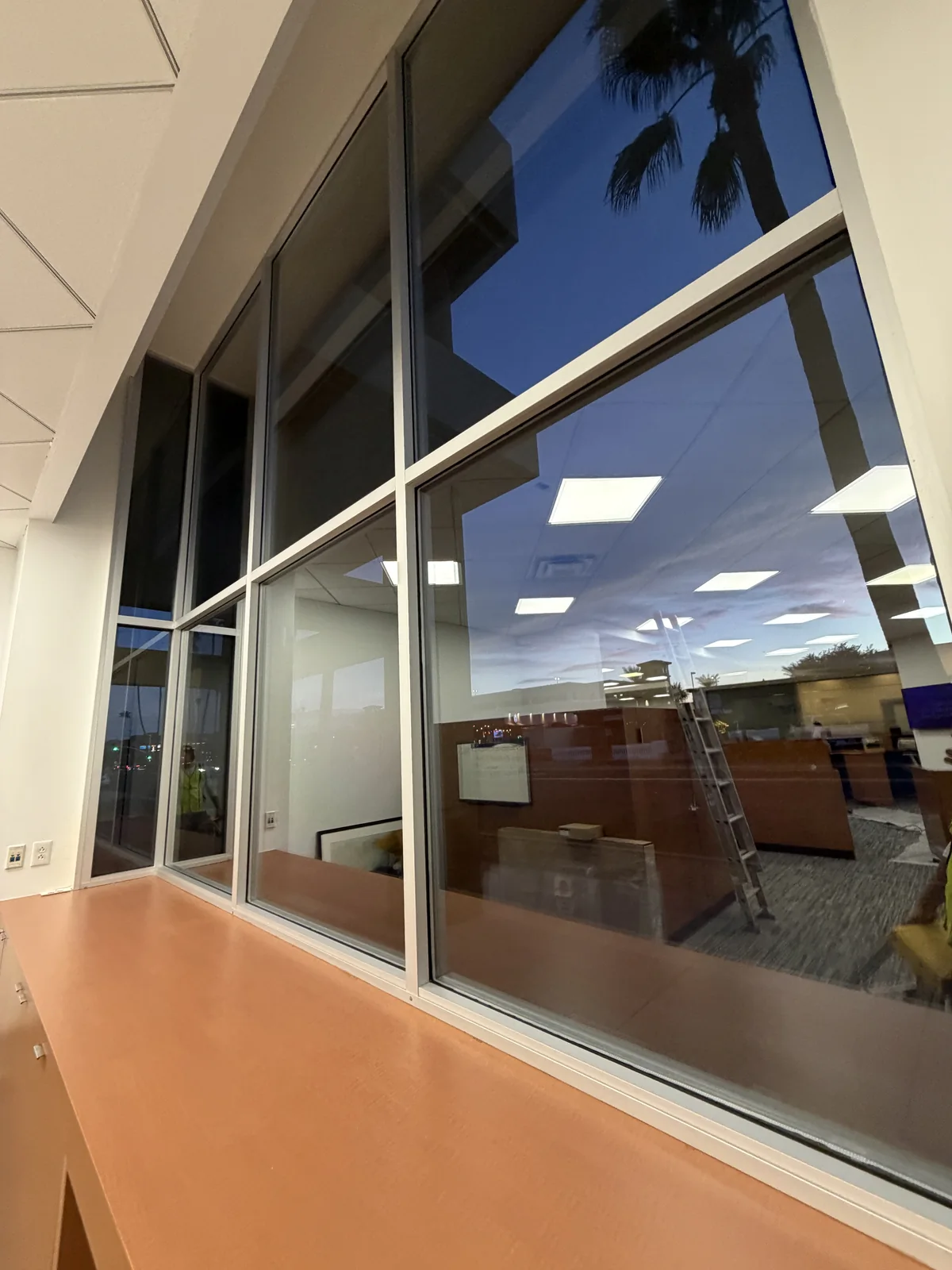
A window clean here is glass, frames, sills, tracks, and the screens. Interior glass is its own line. Somebody has to let me in, and the new builds often have stone or wide-plank floors that I should hear about before I walk through with a ladder. Older ranches are simpler inside and usually need it more, because the sliders have been open since October. Say which one you want when you text.
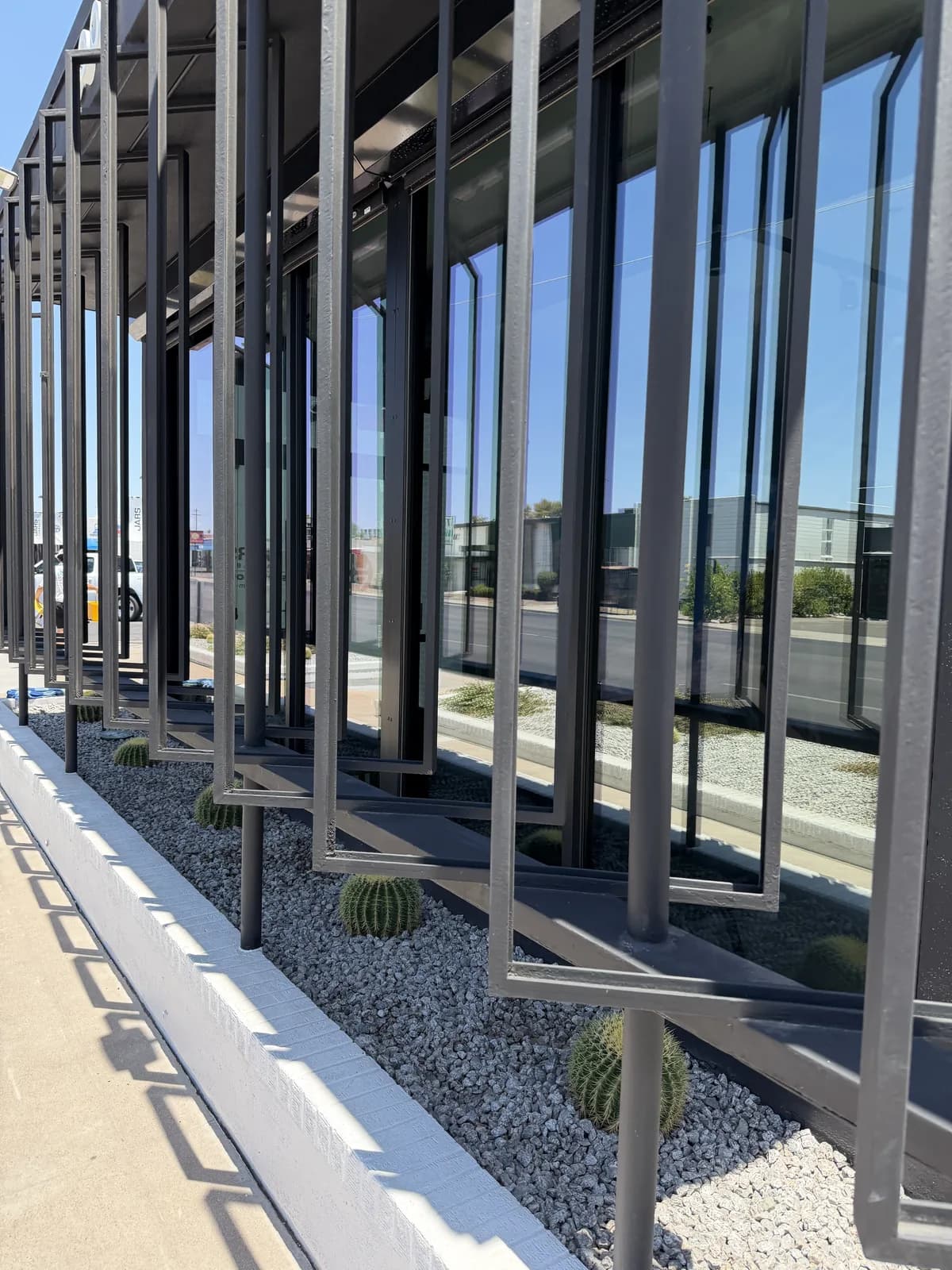
West walls on the new houses sometimes have solar screens. I take them down, clean the glass behind them, and set them back square. If you are deciding whether you even want them, that conversation lives on the Arcadia solar screens page. I will not sell them off the ladder.
Block walls and stucco that have gone orange are not a window job. That is house washing. The drive, the brick pavers, and the pool deck are pressure washing. I can price more than one. They stay separate so you can take the glass and leave the rest. The Valley-wide method is on the window cleaning page. The citrus and the canal belong here.
Neighborhood by neighborhood
Arcadia Proper
This is the name people use for the older citrus lots, the bigger yards, and the streets where a low ranch still sits next to a rebuild. Glass toward Camelback is the show piece. Glass toward the yard is the one the irrigation ruins. Alleys and gravel drives are common. Tell me if the only hose bib is behind a locked side gate, and tell me about the dog. I do not need a tour to price a normal exterior. I do need to know if the back glass is two stories over a pool.
A lot of these houses are mid-remodel. Cutting brick and sanding stucco throws a dust that is finer than canal film and miserable on a fresh clean. If the mason is still there, I will move the day. Cleaning during a demo wastes your money and my time.
Arcadia Lite
Arcadia Lite is the tighter version of the same idea. Lots are smaller, the houses sit closer to the neighbor’s block wall, and the glass is often a mix of original aluminum and one new slider the seller put in. Access is the constraint. I may not have a place to stand beside the east wall without being in the neighbor’s gravel. Say so. I would rather hear it in the text than discover it with a pole in my hands.
Screens here are frequently original. The frames are chalky and the mesh is full of citrus dust. Cleaning them is part of the visit. Replacing them is not, unless you want that quoted on its own.
Lower Arcadia
Closer to the canal, the dust is path dust and the yards are a little more open to the south and west. Patio sliders take the haze. Irrigation is still the low-window problem, especially where a lawn replaced the grove but the heads were never re-aimed. I will point out a head that is hitting glass. Turning it down does more than booking me every month for the same dots.
Ingleside
Ingleside is the older grid toward 40th Street, smaller openings, mature trees, and less of the new Camelback glass. The dirt is sap, pollen, and street film more than decomposed granite. Tracks are shallow and packed. People forget these windows because they are not a view wall. They are also the ones that have not been detailed in years. The first clean is obvious.
Parking is tighter. I will not block a narrow drive or sit in the lane on 40th. If the only spot is a side yard, say that.
Hidden Village
Hidden Village is its own pocket, quieter than the Camelback frontage and easy to miss if you only know Arcadia from the mountain. Lots of mature shade, which means pollen on damp glass in spring and a slower dry time when I am there in the morning. Shade does not mean the hard water stops. It means the spots dry dull instead of chalk-white, and people live with them longer. I still treat them.
Courtyard gates, not a community keypad
Arcadia is not a master-planned city and it is not one HOA. Most streets are open. The “gate” is a courtyard door on a new build, a driveway gate a remodel added, or a side gate into the yard. Send the code if one exists. If a property manager or a tenant has to buzz me, put that person on the text. One thread.
A few of the newer infill houses sit on streets where the neighbors care about vendors, hoses, and where the truck stops. I carry my own hose, I do not leave screen hardware on the drive, and I will not run water into a neighbor’s gravel if you tell me that is the rule. If an association or a historic-style restriction actually applies to your lot, say what it is. I am insured and I will send proof. I will not claim to be on an approved list I have never heard of.
When the dust comes across the Valley floor
Arcadia’s monsoon is usually the Valley-floor version, from about the middle of June into September. A cell or a haboob rolls in from the south and west, the air goes brown, and every pane faces it, mountain view included. Then a short rain spots the dust and dries. The citrus glass looks worse than it did at noon, and the new Camelback wall looks worse than that, because there is nothing to hide the speckle. Canal-facing sliders get a second helping of grit that was already loose on the path.
If I just cleaned the exterior and that storm undoes it inside 14 days, the Monsoon Touch-Up Guarantee is the return visit. Text me and I redo that exterior glass at no charge. It is goodwill on dust that landed on work I finished. It is not a new window, not a torn screen, and not interior glass that was never on the original job. Another company’s clean is a new price.
After those 14 days the calendar is just Arcadia. Citrus lots with sprinklers on the glass usually want a quarterly visit if you care about the low panes. Houses that stay closed, with no irrigation on the glass, can often go twice a year, plus an extra trip if a storm hits a fresh clean. I will say which after I have seen the tracks. Gutters on the older low roofs matter once the leaves and the storms stack up. That work is gutter cleaning, not a longer window appointment.
Text the address. I text one number.
Text (623) 552-1425. Send the address, say Arcadia Proper, Arcadia Lite, the canal side, Ingleside, or Hidden Village if you know which, and say exterior only or inside and out. A photo of the front and a photo of the backyard glass are enough for most of these lots. I reply with a flat price, usually within the hour during the day. If a rebuild is taller than the photo showed, I reprice before I start. You will not get a surprise halfway up a pane.
The quote form works if you do not want to start the text yourself. The number still comes from me. The Arcadia service area page is the rest of the exterior work. If a bid you already have was priced off the zip alone, ask whether the tracks and the citrus-side spots are included.
- Address, and a courtyard or driveway code if you have one
- Exterior only, or inside and out, and who is letting me in
- Whether the yard still has citrus irrigation hitting the glass
- Stories, and any pane over the pool or a side-yard drop
- A note if a remodel is still cutting stucco, brick, or concrete